





Purchase orders in construction
A purchase order (PO) is a document that is issued by a buyer to a seller, indicating their intention to purchase certain products or services. On construction projects, POs are typically used to control the purchasing of products and services from suppliers, and are then retained for record keeping.
A PO may include the following information:
- The PO number.
- A description of the products and / or service being purchased.
- Technical details if required.
- Quantities.
- Any discounts to be applied.
- Agreed prices.
- Payment terms.
- Shipment dates.
A PO may be a legally-binding agreement where there is no existing contract, it is only when the supplier accepts the PO that it become a legal contract.
Invoices are documents issued by a suppliers to buyers, summarising the products or services that they have purchased (or have agreed to purchase). Invoices invoice will usually reference a PO number (if there has been one) to assist with record keeping and avoid confusion.
NB A blanket purchase order is: 'A special purchase order typically designed to leverage repetitive requirements and emergency repairs involving low value goods and services, while reducing the administrative workload.' Ref UN Procurement Practitioner's Handbook, produced by the Interagency Procurement Working Group (IAPWG) in 2006 and updated in 2012
[edit] Related articles on Designing Buildings Wiki
Featured articles
Check out some of the best features and news from Designing Buildings as well as key stories from around the web.

New Prime Minister delivers on ECA call for cut in electricity costs.

CIOB reacts to the announcement of Andy Burnham as Prime Minister.

Heritage and conservation science workforce survey - Have your say.

England's Suburbs 1820-2020. Book review.

New, more proportionate and targeted approach for higher-risk building assessments.

Government brings British Steel into public ownership.

UKCW Birmingham returns with bold new theme and focus.

New guidance published on competence requirements for self-certification schemes.
Construction Management, 8 July

NEETs crisis drives interest in trades, but apprenticeships barriers remain.
Passive fire protection webinar
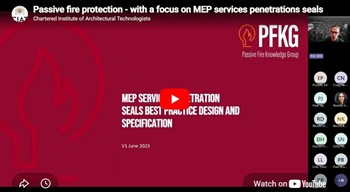
MEP services penetration seals.

Where its at podcast (and video) - The role of the Architectural Technologist as an Expert Witness.
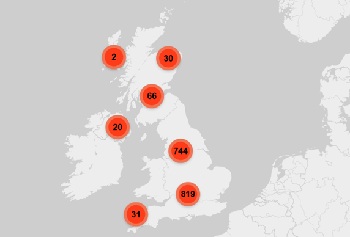
More than 200 remarkable buildings added to SAVE’s Buildings at Risk register.